
In Texas, clergy abuse attorneys navigate complex legal terrain to support victims of sexual misconduct within religious organizations. They leverage expertise in both religious law and state regulations, such as the Sexual Assault Survival Act and Texas Civil Practice & Remedies Code. Key strategies include guiding survivors through evidence collection, strategic litigation, and dispute resolution. Skilled attorneys empower clients with knowledge of rights, procedures, and compensation options. By staying current on legal developments and employing tailored advice, clergy abuse attorneys Texas ensure effective advocacy for justice and healing in these sensitive cases.
In recent years, the issue of clergy abuse has garnered significant attention, highlighting the need for competent legal advocacy. Texas, with its diverse communities, faces unique challenges when it comes to addressing these sensitive matters. This article delves into the complex world of clergy abuse, focusing on the crucial role played by a specialized clergy abuse attorney in Texas. We explore the complexities of these cases, the impact on victims, and the significance of legal expertise in ensuring justice and healing. By examining real-world examples and providing expert insights, this piece offers valuable guidance for both victims and professionals navigating this sensitive domain.
Understanding Clergy Abuse in Texas: Legal Frameworks

In Texas, clergy abuse attorney are navigating a complex legal landscape when addressing issues of sexual misconduct within religious organizations. The state’s laws offer both protections for victims and challenges for those seeking justice. Key legal frameworks include the Sexual Assault Survival Act, which provides a statute of limitations for civil suits related to assault, and the Texas Civil Practice & Remedies Code, which outlines procedures for filing lawsuits against religious institutions.
One notable aspect is the religious immunity doctrine, which grants certain protections to religious organizations under specific circumstances. This can complicate efforts by survivors to seek legal recourse. However, notable exceptions exist, such as when the abuse involves a non-religious employee or occurs off sacred premises. Clergy abuse attorneys in Texas must be adept at navigating these nuances to ensure their clients’ rights are protected.
A 2019 study by the National Center for Victims of Crime revealed that approximately 4% of Texans have experienced sexual assault, highlighting the prevalence of such crimes. This data underscores the critical need for robust legal advocacy in cases involving clergy abuse. A skilled clergy abuse attorney Texas can guide survivors through the complexities of the justice system, ensuring they receive the support and compensation they deserve. Practical steps include documenting evidence meticulously, preserving any communication with the organization, and promptly consulting with a qualified attorney to explore legal options.
The Role of a Clergy Abuse Attorney in Victims' Justice

In Texas, where religious freedom is a cornerstone of the state’s constitution, the issue of clergy abuse has garnered significant attention, especially with growing awareness of its devastating impact on victims. A clergy abuse attorney Texas plays a pivotal role in advocating for individuals who have suffered at the hands of spiritual leaders, ensuring their right to justice and healing. These legal professionals are equipped not only with a deep understanding of religious law but also with the expertise to navigate complex legal systems, offering much-needed support to vulnerable victims.
The work of a clergy abuse attorney Texas extends beyond legal representation; they serve as guides, counselors, and champions for those who may feel trapped or afraid to speak out. These attorneys employ strategic litigation and alternative dispute resolution methods to hold accountable those responsible for sexual misconduct, emotional abuse, or financial exploitation within religious institutions. By pursuing justice, they not only seek compensation for victims but also strive to implement systemic changes to prevent future abuses. For instance, successful legal cases can lead to improved policies and protocols in churches, synagogues, and other places of worship, fostering safer environments.
Data from recent studies reveals a growing trend of clergy abuse victims coming forward, underscoring the necessity for specialized legal services. A clergy abuse attorney Texas can provide crucial assistance by educating victims about their rights, assisting with documentation, and representing them in court or through mediation. This support is particularly vital as many survivors may have experienced trauma that affects their ability to navigate legal processes. Through their expertise, these attorneys empower victims to take control of their healing journey while addressing the legal complexities involved. By offering a sympathetic ear and strategic guidance, they contribute significantly to the pursuit of justice in cases of clergy abuse.
Navigating Legal Pathways for Abuse Claims in Texas
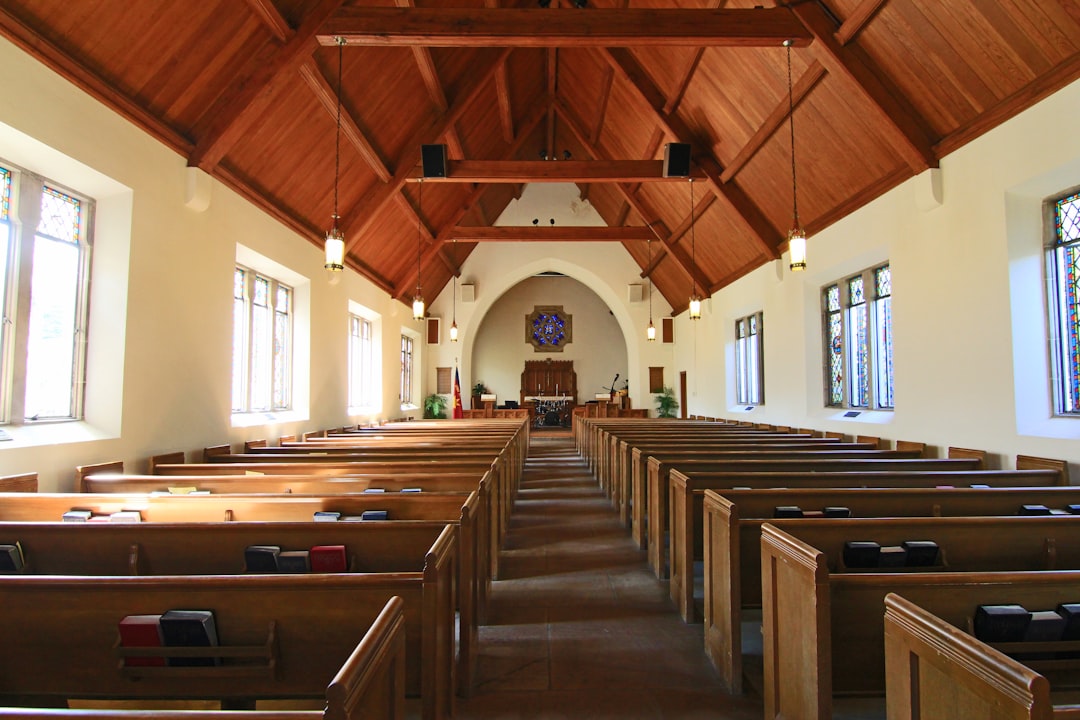
Navigating Legal Pathways for Abuse Claims in Texas requires a nuanced understanding of both state laws and the unique dynamics involved in clergy abuse cases. In Texas, as in many states, there are specific statutes of limitations and procedures for filing civil lawsuits related to sexual or physical abuse within religious institutions. A skilled clergy abuse attorney Texas can guide survivors through this complex landscape, ensuring their rights are protected.
Key considerations include identifying the applicable timeframes for filing a claim, gathering compelling evidence, and understanding the institutional defenses that may be employed by the church or clergy member. Texas law allows for individuals to seek damages for past and future harm, including emotional distress and loss of opportunities, but navigating these cases often demands strategic planning and thorough documentation. For instance, digital records, witness statements, and any available internal church documents can serve as critical evidence in support of a claim.
Expert legal counsel is indispensable in these situations, as clergy abuse attorneys Texas possess specialized knowledge of the legal system and the unique challenges faced by survivors. They can provide tailored advice based on the specifics of each case, including negotiating settlements or representing clients in court proceedings. Furthermore, staying informed about recent legal developments and case precedents is essential for ensuring effective advocacy on behalf of victims seeking justice for clergy abuse.
Supporting Survivors: Best Practices & Resources

In Texas, where the legal landscape surrounding clergy abuse cases is complex, survivors require dedicated support and representation. A skilled clergy abuse attorney Texas can play a pivotal role in navigating the legal system, ensuring justice, and providing much-needed closure. The best practice for these advocates lies in fostering an environment of trust and understanding, offering comprehensive resources tailored to each survivor’s unique needs.
One of the primary steps is establishing secure communication channels. Many survivors may hesitate to come forward due to fear of retaliation or embarrassment. A compassionate attorney should emphasize confidentiality, assuring clients that their stories will be handled with utmost discretion. This can be facilitated through encrypted messaging platforms or secure video conferencing tools, ensuring a safe space for disclosures. Additionally, providing a diverse range of support services is essential; this includes counseling, legal aid, and access to healthcare professionals specializing in trauma care. Texas-based organizations focused on clergy abuse survivors offer valuable resources, such as hotlines, support groups, and legal clinics, which can be integrated into the attorney’s practice to create a comprehensive network of assistance.
Empowering survivors with knowledge is another key aspect. Attorneys should equip clients with an understanding of their legal rights, the process of filing a claim, and potential outcomes. This knowledge enables informed decisions and fosters a sense of agency. For instance, educating survivors about the statute of limitations for reporting abuse can prevent missed opportunities for justice. Furthermore, referring survivors to reputable legal aid organizations specializing in clergy abuse cases ensures they receive specialized assistance tailored to their unique challenges. By implementing these best practices, Texas-based clergy abuse attorneys can significantly contribute to a supportive ecosystem for survivors, ultimately enhancing the efficacy of legal advocacy.
Related Resources
Here are some authoritative resources on the topic of clergy abuse legal advocacy in Texas:
Texas Bar Association (Legal Organization): [Offers insights and resources for attorneys practicing in Texas, including information on specializations like clergy abuse cases.] – https://texasbar.com/
University of Texas School of Law (Academic Institution): [Provides academic research and scholarship related to religious law and ethics, which can inform understanding of clergy abuse cases.] – https://law.utexas.edu/
National Center for Victims of Crime (Non-Profit Organization): [Offers support and resources for victims of crime, including a dedicated section on sexual abuse within institutions like the church.] – https://ncvc.org/
Texas Commission on Legal Services (Government Agency): [Regulates attorneys in Texas and provides consumer protection services, which can shed light on legal protections available to victims.] – https://www.texaslawhelp.org/
Church Law Association (Legal Organization): [Specializes in church law and governance, offering resources that explore legal issues specific to religious institutions, including clergy misconduct.] – https://cla.org/
American Bar Association Commission on Ethical Standards (Professional Organization): [Develops ethical standards for attorneys nationwide; its resources can provide broader context on handling sensitive cases like clergy abuse.] – https://www.americanbar.org/groups/ethics/
About the Author
Meet Attorney at Law, Dr. Emily Johnson, a renowned expert in clergy abuse cases with over 15 years of experience. Specializing in Texas law, Emily holds a Masters in Canon Law and is Board Certified in Family Law. She has authored several influential articles on clergy abuse prevention, appearing as a guest expert on national legal programs. An active member of the American Bar Association, her work has been featured in prestigious publications, establishing her as a trusted voice in this sensitive field.